There are several ways to study and there is not a correct way to study and learn. It all depends on each individual and what suits their needs. You may be wondering what technique works best for me? The best way is to try out different methods to figure out what will give you the best chance of success.
Method 1: The SQ3R method
This method helps retain information from a textbook which can be especially dense
SQ3R is an acronym that stands for each phase of the process.
Survey: Skim through the chapter and take note of the headings and images and any other features that may stand out like tables or graphs
Question: Create questions based on the chapters content, such as Why and How questions.
Read: Begin to read the chapter to answer the previous questions that you have created
Recite: After you read a section the question summarize in your own words the major ideas and find the answers to the questions that you created
Review: Once the chapter is finished review the material to make sure you comprehend it then re read any portions if needed.
Method 2: Spaced practice
This method is very useful when learning large amounts of complex information but it takes time and planning. It encourages learning over an extended period of time instead of cramming. Spaced repetition creates connections in our brain that can be used to recall an answer later on. A good application to use for this is called ANKI. To use this method it is important to create a schedule and stick to it over time you can gradually review and recite information less to build stronger and stronger connections.
Here is an example schedule of how to use speed repetition
Day 1: learn the material
Day 2: Create flashcards and review learning
Day 3: review information and use flashcards
Day 7: review information
Day 12: review information
Method 3: The fireman Technique
This method is based on the idea that “If you want to understand something well, try to explain it simply”. This is based around the idea that if we are able to put it in our own words and re tech the subject to someone else we grasp the idea faster and effectively.
How to use this method:
- Set the stage: When beginning to learn the new subject, grab a piece of paper and jot down everything you know about the subject
- Teach: Then out loud or on paper break it down and explain it as if you were to teach it to someone with little understanding
- Review and study: Review what you wrote and go back and review the content and look for information gaps that may appear
- Re tech the subject using your full knowledge to fully grasp the material
Method 4: Mind mapping
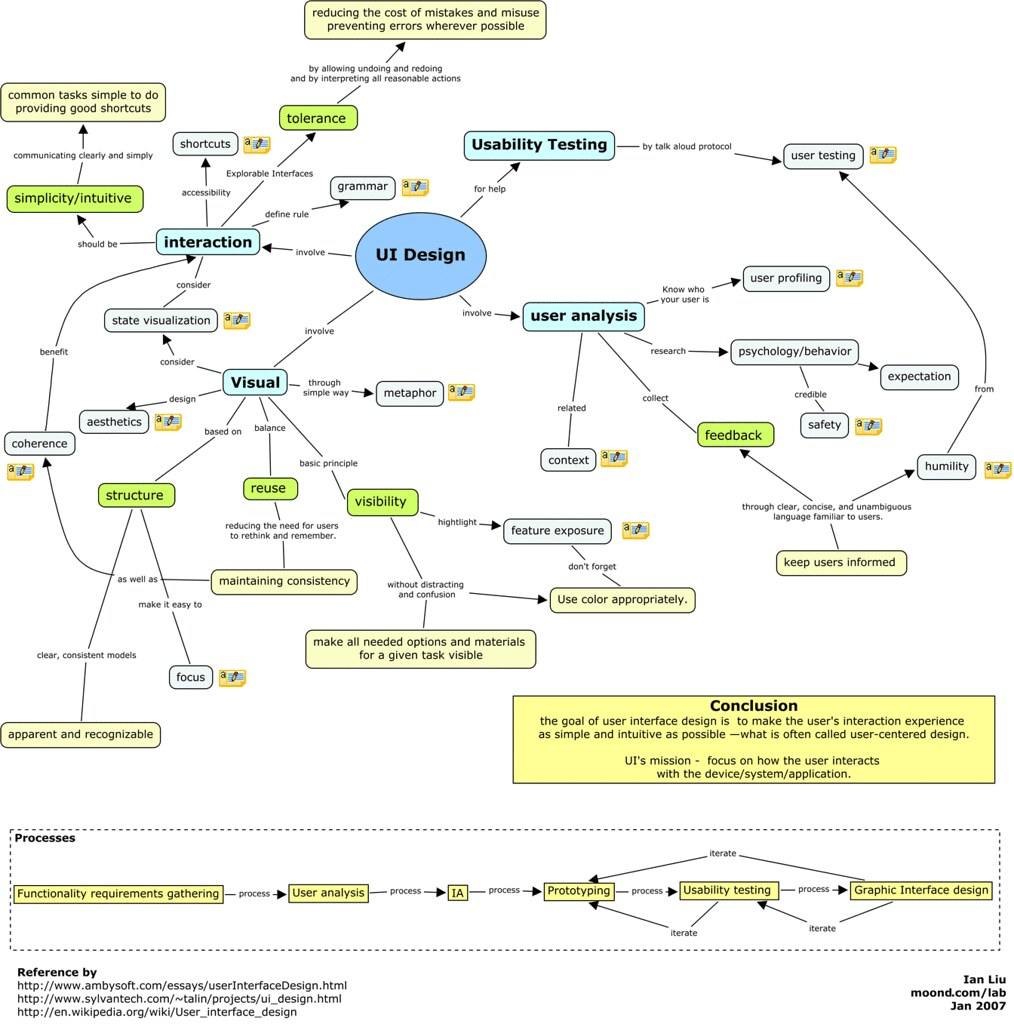
This method really applies to visual learners because it is a way to visually connect and organize information as they learn. To use this technique begin with a central topic then branch it out connecting several ideas and each time asking yourself why and how they connect. This is useful because it helps see the bigger picture and use different pathways in the brain.
Example of a mind map
Method 5: Pomodoro technique
This method uses time management to create a more productive and focused study session. This was developed by Francesco Crillio in the late 1980s. This method is done by splitting studying into timed intervals usually 25 minutes in length called “Pomodoros” then small breaks in between. This is a very useful technique because it reduces distractions while maintaining very high concentration. Thus you create small milestones that add to the larger goal.
How to use Pomodoro technique
- Chose a topic
- Set timer for 25 minutes
- Work on topic until timer goes off
- Take a short break ( usually 5 minutes)
- Every forth study session take a longer break ( 10-20 minutes)